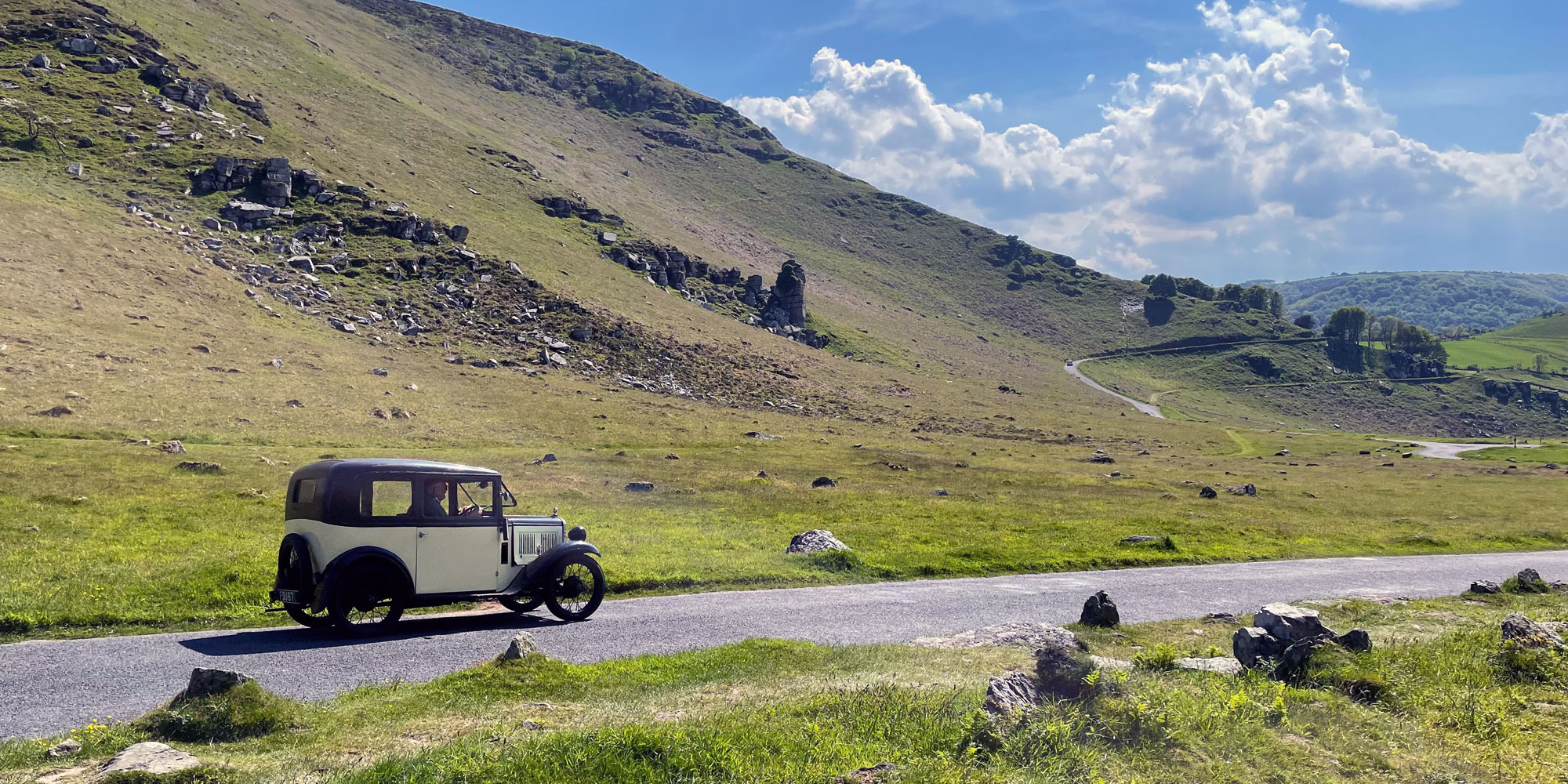
A team from the Highways department from Somerset County Council convened by Somerset County Councillor, Frances Nicholson met with the Chairman of Luccombe Parish Council today. Councillor Nicholson’s initiative is part of the process of change arising from the turning Somerset into a unitary country with responsibilities being centralised with Somerset County Council and the abolition of District councils like Taunton and Somerset West District Council.
On behalf of Luccombe Parish Council Henry Harington raised the following issues about roads in the Luccombe area:
1. The road between Luccombe and the A39 via Blackford is regularly subject to flooding due to breaches in ditch banks and blocked drains. A problem of particular concern is the stretch between Lane Foot and Beer Barn Corner and Bryant’s Moor where, despite repeated requests over years, the breach in the ditch was not repaired. The road frequently became impassable and, when followed by a freeze, occasionally became a dangerous ice rink. The breach between Lane Foot and Beer Barn Corner has been repaired but an issue remains of regular flooding around the bridge. The concern remains about the delay in responding to issues. The question has been raised as to who is responsible for necessary works?

2. It would be appreciated if Council could address the issue of satellite navigation errors by taking them up with the satellite navigation companies. This results in unnecessary increased traffic, nuisance and inconvenience for Luccombe residents. One of the problems appears to be that satellite navigation directs users along named roads. In this area where a lot of roads are not named, it can lead to congestion, inconvenience and dangerous situations.
Luccombe recently experience a prolonged blockage of the road near Chapel Cross where a lorry that was far too large for the roadway became jammed, apparently because of a sat nav error.Stoney Street in Luccombe is a very narrow and steep road. Despite a “Dead End” sign at the bottom of the road and a temporary sign (awaiting a permanent fixture) stating that there is no vehicular access to Webber’s Post, not only are there cars that go to the top of the hill to discover there is no access but frequently caravans and motorhomes. Turning at the top of Stoney Street is difficult for car drivers and many caravan and mobile home drivers are not as skilled as they need to be. Misdirected drivers also turn in residents’ driveways not only disturbing them but causing damage to residents’ walls and gateways or to houses as they inexpertly reverse or to public property in walls and fences.
3. Concern has been expressed about the distribution of diversion or detour notices in the event of road repairs or accidents. When road repairs are being planned it would be appreciated if locals were not only advised but also consulted as detours can result in considerable inconvenience due to the unnecessary length of some diversions. The placing of signage by the Highways department and the police should be thought through and, where possible, discussed with locals.
A recent incident on a bank holiday weekend on the West Luccombe to Luccombe road. On this occasion, it was the police who put up a “No Entry” sign on the Porlock side of West Luccombe when an accident had occurred beyond Horner en route to Luccombe. Horner was accessible, cars could have turned in the car park in Horner but instead, cars caused obstruction turning in the road in West Luccombe and businesses in Horner were deprived of bank holiday business.
4. A question was put as to who is responsible for hedging? The issue is that currently one pass is made by those undertaking the hedging, cutting the lower part of the hedges and neglecting the top of the hedges which means that a lot of detritus is left without improvement in visibility.
5. Another cause for concern was the delay in dressing the surface of the road between Luccombe and Horner that, again, requests for improvement were not responded to for years. This is important for reasons in 6. below. It was extremely difficult to establish who was responsible and why there were delays.
6. The British Horse Society and the County Surveyors’ Society have published details of the standards to which roads need to be maintained for the transit of horses.
Exmoor is renowned for horse riding and two local institutions, the Burrowhayes trekking centre in West Luccombe and the Minehead Harriers at Ranscombe as well as many individual riders and groups of horse riders regularly use the roads around Luccombe. The long delay in dressing the stretch between Luccombe and Horner is an example of the extent to which horse riders, as road users, feel they are neglected. Moreover, it is questionable whether the roads in the area are being maintained to the standard agreed by the BHS and the CSS. In particular, the area being hilly requires particular attention to slopes on which horses may be liable to slip. If level roads are not given a coarse gritting the is the risk of accidents as shod horses may slide and fall on improperly gritted surfaces.
7. In recent years there has been uncertainty about the delivery of winter salt and grit. It has been delivered early and comprehensively this year but, given how hilly it is in the area, it is not a subject locals feel should be the subject of negotiation as to whether and when salt and grit are delivered.
8. Exmoor has higher average rainfall than other areas of Somerset. A resident of Luccombe is a professional road repairer has questioned why when road repairs are made and potholes filled, that they are not sealed to halt further water ingress and the undoing of the work done resulting in the return of the damage or the potholes with added expense to the Council.
The cutting of the grass to improve visibility at the dangerous junction at Headon Cross is welcome even though it was done late in the season. This type of maintenance needs to be done on a timely basis.
Leave A Comment